 I am delighted to announce that The Syriac Galen Palimpsest, published in the Proceedings of the British Academy by Liverpool University Press, is now available to order. Centred on Galen’s treatise On Simple Drugs, the volume features contributions from scholars working across different disciplines, including four chapters by our team at the University of Manchester, produced as part of the UKRI-funded Syriac Galen Palimpsest project (SGP, 2015–2020).
Establishing the Syriac Text of Galen’s Simple Drugs: Editorial Technique and Practical Principles (P. E. Pormann, N. Afif, S. Bhayro, W. Sellers, & N. Smelova) presents the method and guidelines used for our digital edition published on Figshare along with the processed images of the manuscript. The paper X-ray Fluorescence Imaging of the Syriac Galen Palimpsest (U. Bergmann et al.) is the result of our collaboration with SLAC National Accelerator Laboratory at Stanford to recover more of the text from unreadable folios. Our article The Enigma of Who Translated Galen’s Simple Drugs, Book 9, into Syriac (N. Afif, P. E. Pormann, & N. Smelova) investigates the authorship of the Syriac translation of the section on stones of On Simple Drugs using stylometry. Finally, The Alexandrian Tradition: New Discoveries of Gesius’ Galenic Commentaries in Syriac (N. Afif, P. E. Pormann, & N. Smelova) presents our pilot study that laid the groundwork for the recently founded ERC Consolidator Grant project Gesius, led by P. E. Pormann at the University of Manchester.
The volume is available to order directly from Liverpool University Press. ISBN: 9781805966692
 My latest article has been published in the new issue of BABELAO – Electronic Journal for Ancient and Oriental Studies. It is now available through UCLouvain’s open-access journal platform:
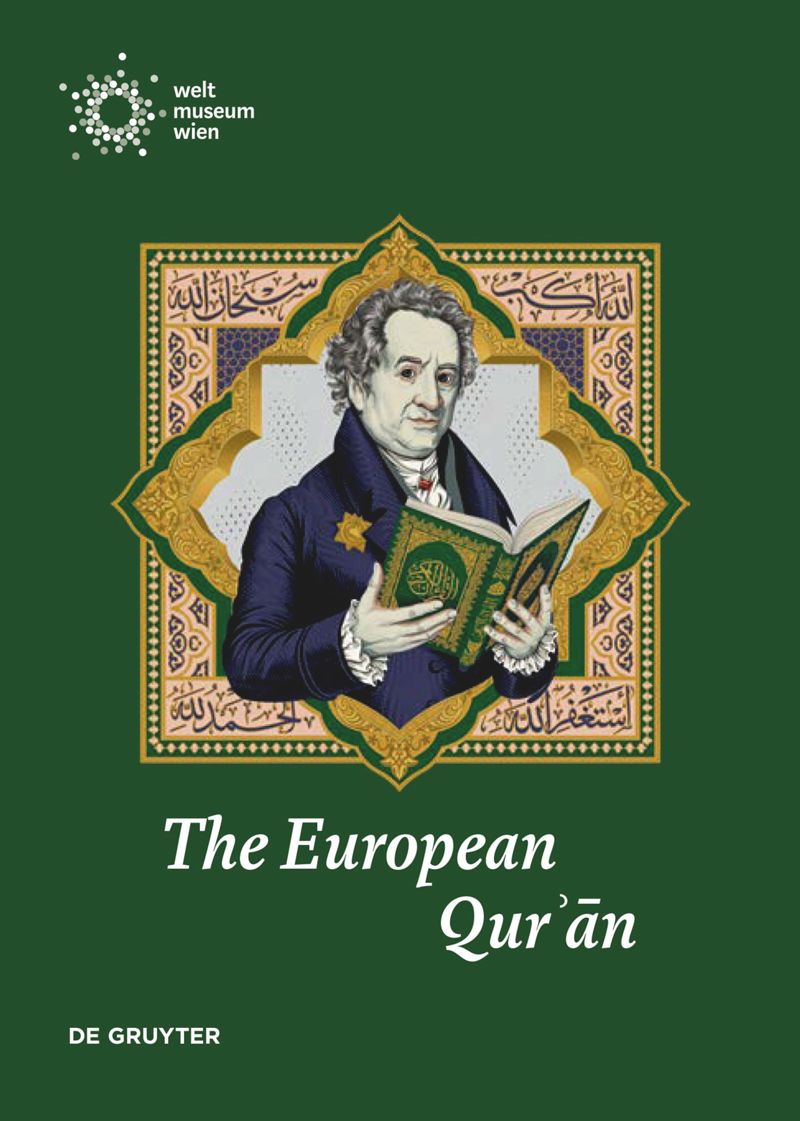
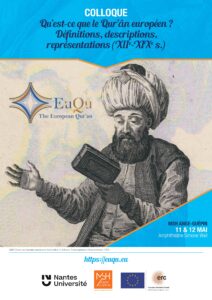 I will present a paper at the conference “What is the European Qur’ān? Definitions, Descriptions, Representations (12th–19th c.)” that will be held in Nantes on 11–12 May 2023. My talk, “Qur’anic Concepts through European Translations and Retranslations of the Qur’an: A Case Study,” explores how European translations shaped understandings of the Qur’an and contributed to changing representations of the Islamic scripture across different cultural and linguistic settings.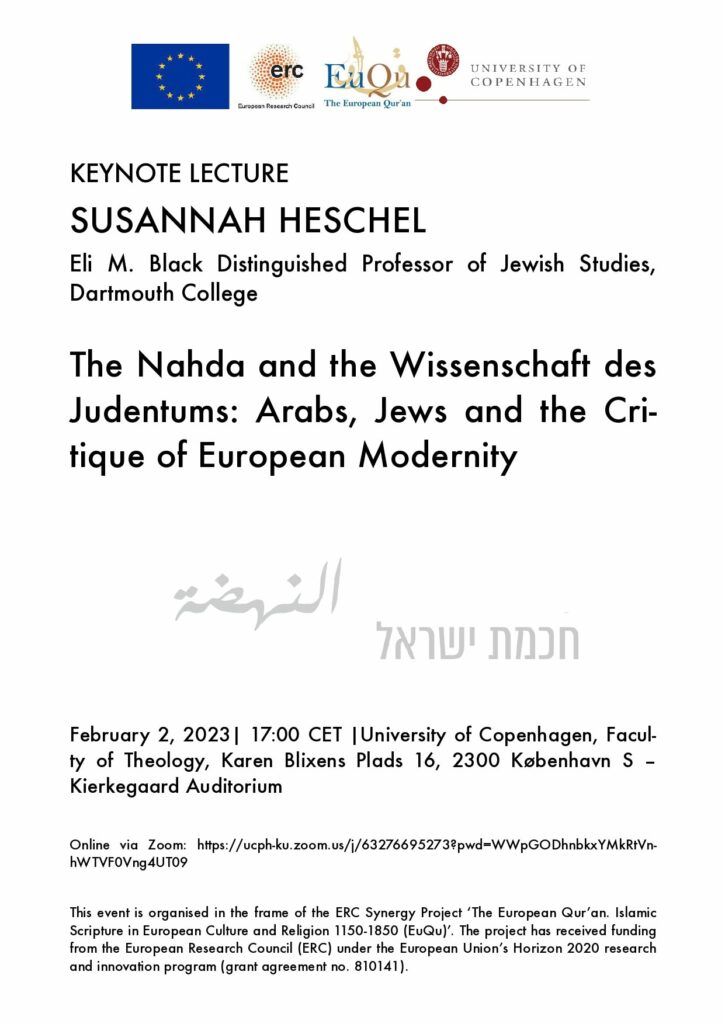
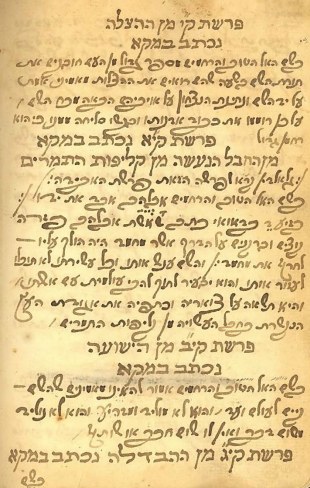
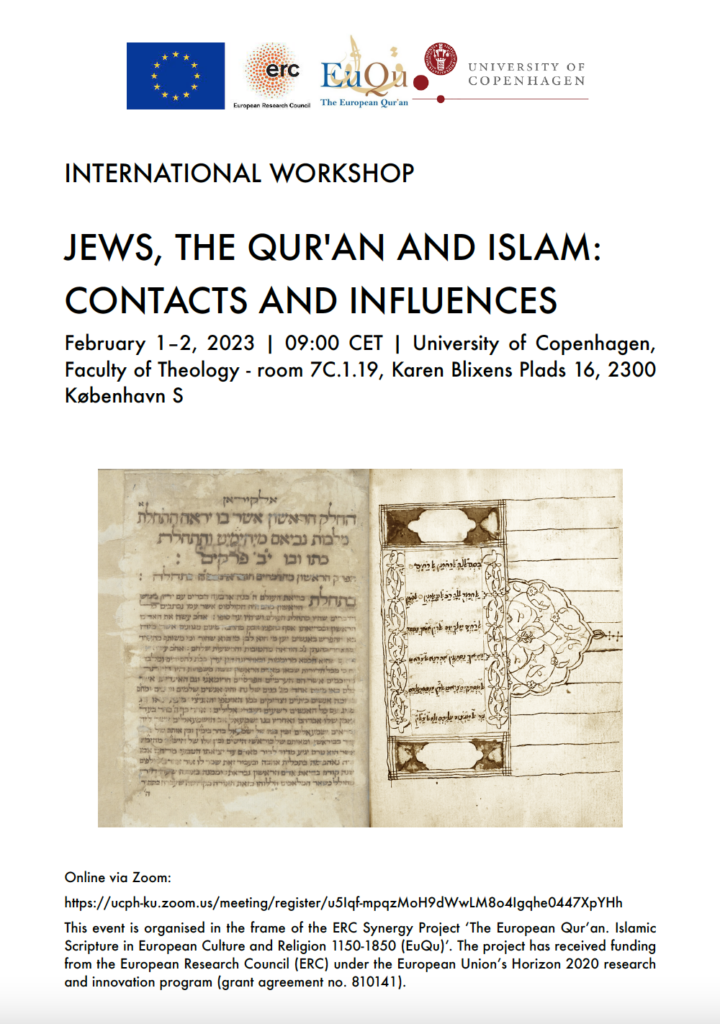 I am delighted to announce the forthcoming international workshop, ‘Jews, the Qur’an and Islam: Contacts and Influences’ which will take place on 1-2 February 2023 in Copenhagen under the auspices of the EuQu project.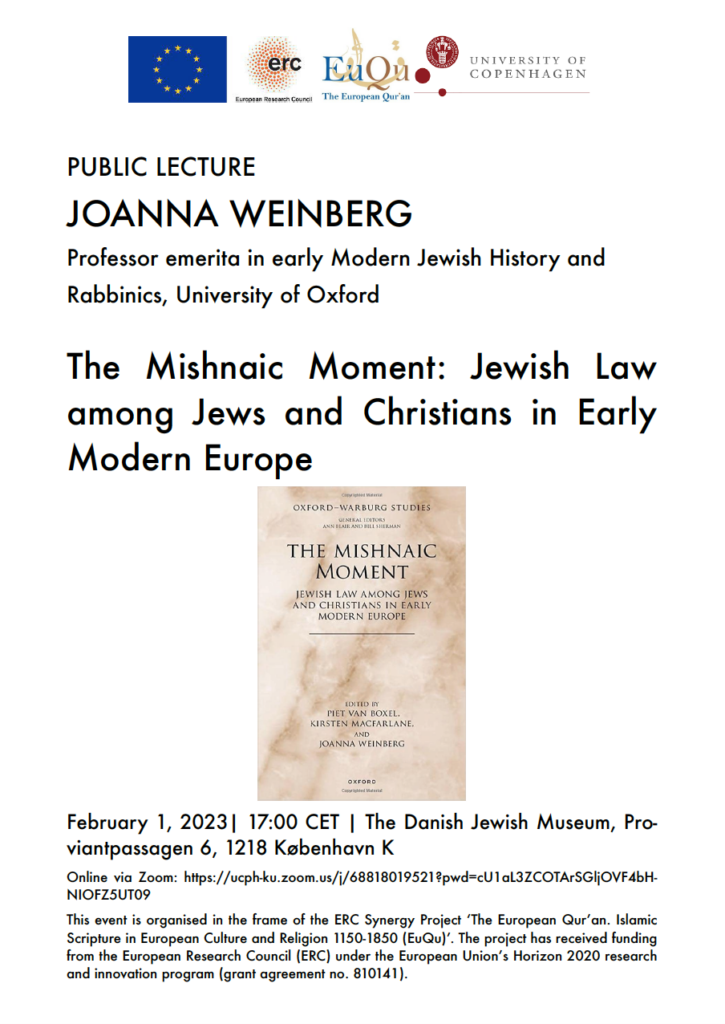
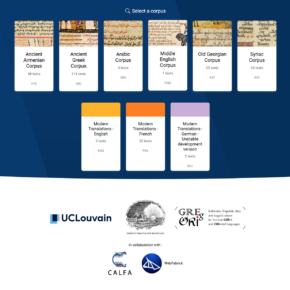 As part of my collaboration with the
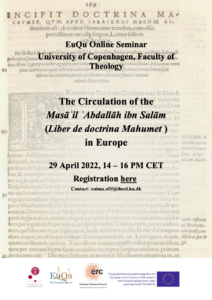 The Masāʾil ʿAbdallāh ibn Salām (Abdallāh ibn Salām’s Questions) is a fictional dialogue between a learned Jew who converted to Islam and the prophet Muḥammad. Originally written in Arabic, it enjoyed a great popularity in the West. The text was translated into Latin as part of the Corpus Toletanum in the 12th century under the title Liber de doctrina Mahumet and then served as the basis of several translations in European vernaculars. In this online seminar we will discuss the transfer and wide European reception of this work, and assess how it influenced European knowledge of Muḥammad and Islam over centuries.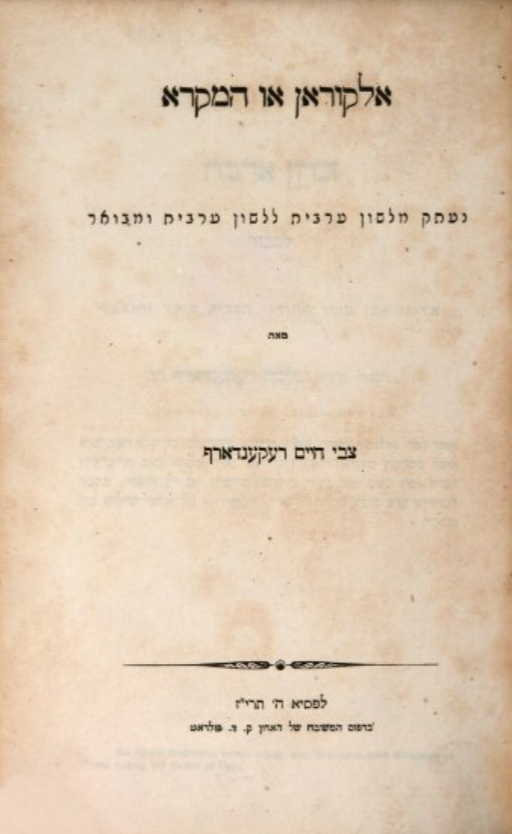
 The Congress ‘
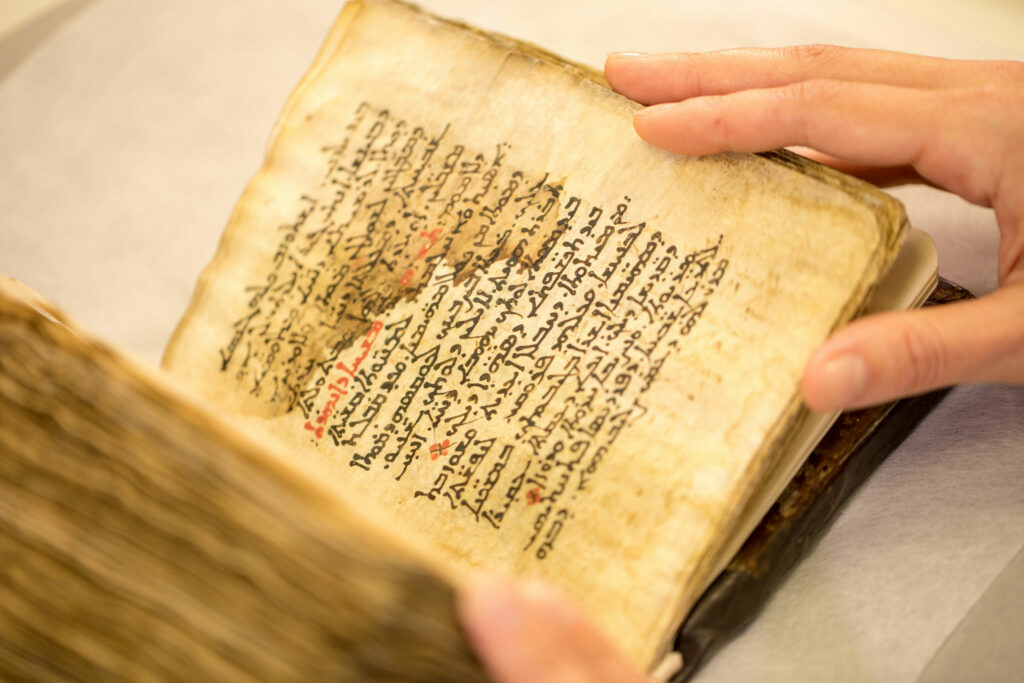
 I am very happy to present you the result of my online collaboration with the John Rylands Library in 2020. I have compiled TEI XML descriptions of Syriac manuscripts from the John Rylands Research Institute and Library’s collection.